
PITTSBURGH HISTORICAL MASONRY RESTORATION 

Pittsburgh Historical Masonry Restoration That Preserves Character

Historic buildings deserve restoration work that protects both their structure and their story. Our Pittsburgh Historical Masonry Restoration services are designed to repair aging brick, stone, and mortar while preserving the original character of the building. As a woman-owned business, we take pride in detail-focused craftsmanship, clear communication, and restoration work that respects historic materials and helps protect your property for years to come.

What We Offer

Masonry
Restoration

Historic
Restoration

Residential
Division

Concrete
Restoration

New
Masonry

Waterproofing

It’s important to waterproof concrete structures to keep moisture out of the facility and to protect the structural components of concrete and imbedded reinforcing steel. If the integrity of the concrete is maintained, it can remain waterproof. Polyurethane is considered one of the best waterproofing materials. It can be applied seamlessly and penetrates the surface deeply and evenly. The polyurethane membrane will fill in even the finest cracks in concrete, reducing its water absorbency capacity. Many types of waterproofing systems can be used depending on your home’s structure

Urethane Foam or Epoxy Injection

Urethane Foam or epoxy injection is a cost-effective and permanent way to stabilize and seal cracked or compromised masonry surfaces. Depending on the size of the crack, urethane foam or epoxy is injected into the void and allowed to cure. Once hardened, these materials help form a stable subsurface to support masonry restoration operations.

Tuck Pointing

Tuck pointing entails removing loose or cracked mortar from brickwork or stone installations and replacing its new mortar to ensure structural integrity and to seal out damaging water and moisture. Mortar for tuck pointing must be carefully selected to ensure that its color and texture of the new mortar closely matches the existing material that was not compromised and did not need to be removed.

Masonry Cleaning

Masonry cleaning entails the removal of dirt, debris, paint, and graffiti from various surfaces of masonry structures. Commonly used masonry cleaning techniques include high and low – pressure washing and chemical cleaning. Regardless of the method used, special care is taken to avoid over cleaning – and possibly damaging – aging masonry surfaces.

Grouting

Grouting is used to seal the spaces between masonry installations such as tile or terra cotta. Grout may be colored to blend with the masonry materials, or can be used to create contrast within the masonry design. Grout is typically applied by hand by filling the joints with material and then troweling it out over the adjoining tile or terra cotta. Once the grout has set, a craftsman returns to the area that was grouted and removes any excess material from the face of the installation. As grout is frequently porous, it must be sealed once it is completely dry to protect it from dirt infiltration.

EIFS Cleaning

Exterior Insulation and Finish Systems cleaning, also known as EIFS cleaning, involves removing dirt and grime from the exterior surfaces of structures clad in Dryvit or other types of stucco–like materials. To avoid damaging the thin exterior skin of these structures, mild cleaning agents and low–pressure water is most frequently used to dislodge surface dirt. Manual cleaning is also used to remove dirt in hard–to–reach areas or intricate detail.

Caulking

Caulking is used to seal gaps between masonry surfaces, such as brick or stone, and other architectural elements, including window and door frames, decorative hardware or lighting fixtures. Caulking is most often applied with a gun, and is available in butyl, latex or customized formulations. The color of caulk is selected to match the surfaces surrounding the application site. When applied, the caulking gun is inserted in the gap to be filled. Caulking material is then injected into the void to seal the opening.

Abrasive Cleaning

Heavily soiled masonry surfaces may require abrasive cleaning to effectively remove deposits of grime, paint or graffiti. Abrasive cleaning typically involves high–pressure application of sand or another type of inert, abrasive material directly to the masonry surface. When the abrasive cleaning has been completed, the masonry surface is frequently rinsed with low-pressure water to remove any remaining dirt or cleaning materials.
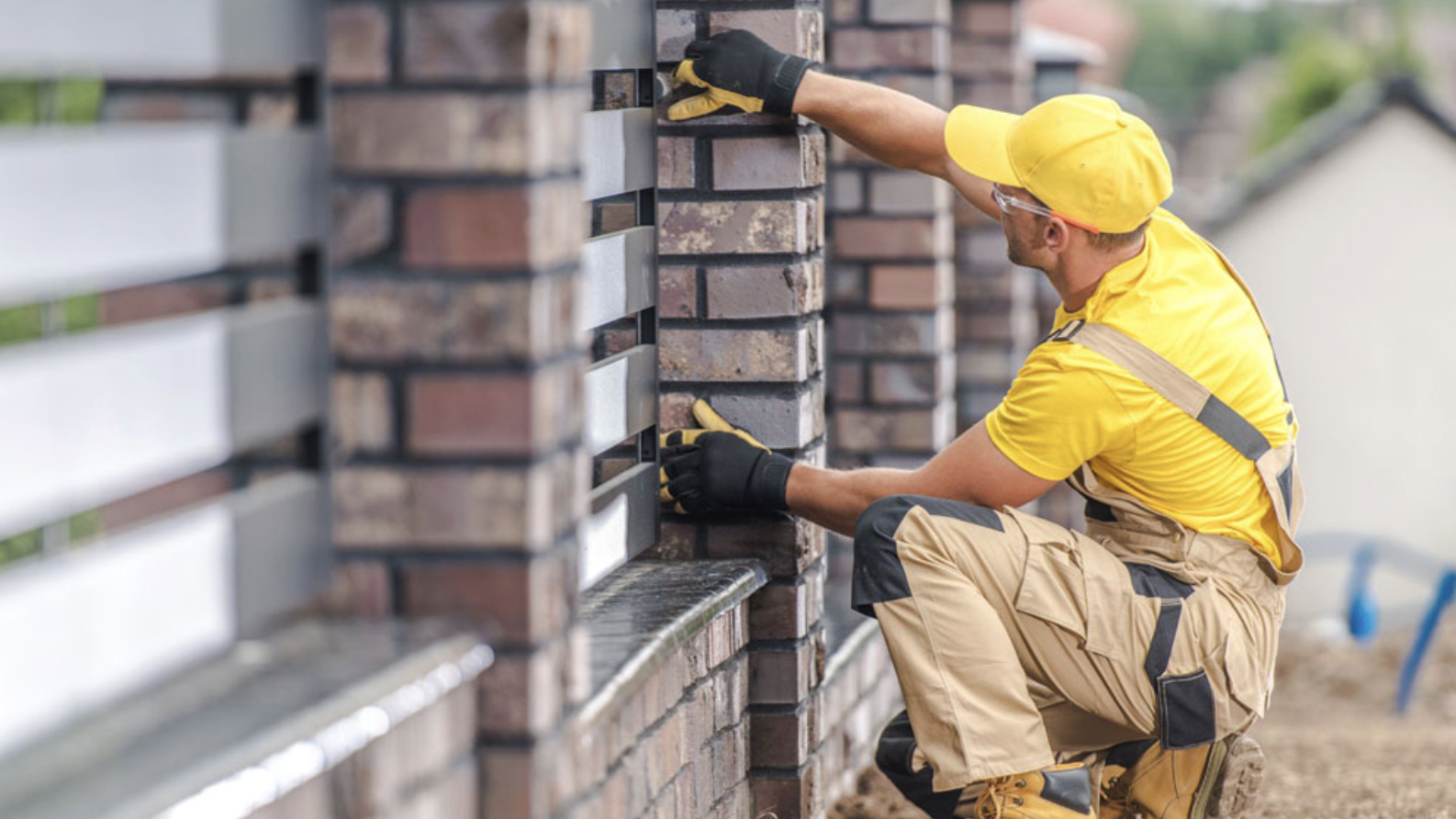

Pittsburgh Historical Masonry Restoration

Pittsburgh Historical Masonry Restoration for Buildings That Matter

Historic masonry is different. Older brick, stone, mortar, and architectural details were built with materials and methods that often do not match modern construction. That is why historic restoration work requires a careful approach.

Our Pittsburgh Historical Masonry Restoration services are focused on preserving the integrity, appearance, and long-term performance of older buildings. Whether the property is a historic home, church, commercial building, or institutional structure, we restore masonry with attention to original materials, visible character, and moisture protection.

Pittsburgh is full of architecturally significant masonry buildings, and restoration work should support that history — not erase it.

Why Historic Masonry Restoration Requires a Specialized Approach

Historic masonry restoration is not just standard repair work on an older building. The wrong mortar, harsh cleaning methods, or poor repairs can damage the original masonry and create bigger problems over time. The National Park Service Preservation Briefs specifically emphasize using appropriate materials and methods for historic masonry, including careful repointing and gentler cleaning decisions.

With professional Pittsburgh Historical Masonry Restoration, property owners can:

  • Preserve the original appearance of brick and stone

  • Restore deteriorated mortar joints correctly

  • Address moisture-related damage before it spreads

  • Protect structural stability and surface integrity

  • Extend the life of a historically significant building

  • Avoid inappropriate repairs that can damage older materials

Historic masonry needs restoration decisions that balance performance and preservation.

Common Problems We See in Pittsburgh Historical Masonry Restoration

Pittsburgh weather and age are hard on masonry. Moisture, freeze-thaw cycles, pollution, and years of exposure can cause serious wear on historic walls and details. Graciano’s historic masonry service page describes these same patterns of deterioration, including cracking, spalling, and disintegration as materials age.

Our Pittsburgh Historical Masonry Restoration projects often involve:

  • Cracked or failing mortar joints

  • Spalling brick or stone surfaces

  • Water intrusion and moisture staining

  • Deteriorated joints around windows and transitions

  • Surface buildup, staining, or old coatings

  • Damage to decorative masonry details

  • Structural movement or localized instability

The earlier these issues are addressed, the more original material can often be preserved.

Pittsburgh Historical Masonry Restoration Services We Provide

Every historic building is different, so we tailor our restoration work to the age, material type, and condition of the structure. Our goal is to restore what can be preserved, stabilize what is failing, and protect the building from further deterioration.

Our Pittsburgh Historical Masonry Restoration services may include:

  • Historic tuckpointing and repointing

  • Brick and stone repair

  • Historic masonry cleaning

  • Crack repair and stabilization

  • Joint sealing and caulking at transitions

  • Waterproofing support for masonry protection

  • Selective replacement of damaged masonry units

  • Restoration of decorative masonry elements

We approach each project with preservation in mind, focusing on repairs that support both durability and historic character.

Historic Tuckpointing and Repointing in Pittsburgh

Repointing is one of the most important parts of Pittsburgh Historical Masonry Restoration. When mortar joints fail, water can enter the wall system and accelerate damage. Repointing removes deteriorated mortar and replaces it with new mortar that should be selected carefully for compatibility and appearance.

This matters on historic buildings. Mortar that is too hard or mismatched can harm surrounding brick or stone and change the look of the wall. Preservation guidance from the National Park Service specifically calls out the importance of proper materials and methods for repointing historic masonry.

Done correctly, repointing helps:

  • Restore strength to the wall system

  • Reduce moisture intrusion

  • Preserve the visual character of the building

  • Extend the service life of historic masonry


Masonry Cleaning for Historic Buildings

Historic masonry cleaning should never be rushed. The wrong cleaning method can scar the surface, remove protective outer layers, or permanently change the appearance of the brick or stone. The National Park Service Preservation Briefs also include guidance on selecting appropriate and gentler cleaning methods for historic masonry.

As part of our Pittsburgh Historical Masonry Restoration work, we use a careful, surface-specific approach to cleaning. We evaluate the condition of the masonry, the type of buildup or staining, and the material itself before recommending a cleaning method.

The goal is simple: improve the appearance of the building without damaging historic materials.

Moisture Control and Pittsburgh Historical Masonry Restoration

Moisture is one of the biggest threats to historic masonry. Once water gets in through failed mortar joints, cracks, or transitions, it can lead to spalling, staining, interior issues, and ongoing deterioration. The National Park Service also highlights moisture control as a key preservation concern in historic buildings.

That is why our Pittsburgh Historical Masonry Restoration services often include moisture-focused repairs such as:

  • Repointing failed joints

  • Sealing vulnerable transitions

  • Repairing cracks in masonry surfaces

  • Waterproofing support where appropriate

Historic restoration is not just about making the building look better. It is about helping it perform better in Pittsburgh’s climate.

Preserving Architectural Character During Historic Masonry Restoration

One of the most important parts of Pittsburgh Historical Masonry Restoration is preserving the details that make the building unique. Historic brick patterns, stone profiles, mortar joints, and decorative features all contribute to the character of the structure.

Our restoration approach is built around protecting those features whenever possible. That may include selective repairs instead of broad replacement, careful mortar matching, and restoration methods that respect the original design.

For many property owners, preserving character is just as important as fixing the damage — and we treat both with equal importance.

A Woman-Owned Business for Pittsburgh Historical Masonry Restoration

Historic restoration work requires trust. Property owners need to know the contractor they hire will respect the building, communicate clearly, and take the time to do the work correctly.

As a woman-owned business, we bring a strong commitment to craftsmanship, accountability, and care to every Pittsburgh Historical Masonry Restoration project. We understand that historic buildings often carry personal, cultural, and community value, and we approach each project with the seriousness it deserves.

Our team is focused on restoration work that protects your investment while honoring the original structure.

Signs You May Need Pittsburgh Historical Masonry Restoration

If you own an older masonry building, here are some signs it may be time to schedule an inspection or estimate for Pittsburgh Historical Masonry Restoration:

  • Mortar joints are cracked, recessed, or missing

  • Brick or stone is flaking, chipping, or spalling

  • Water staining or moisture issues are showing up

  • Masonry surfaces are cracking or separating

  • Decorative masonry details are deteriorating

  • Exterior walls look worn or unstable in certain areas

  • Previous repairs appear mismatched or failing

Catching these issues early can help preserve more of the original building and prevent larger restoration costs later.

Why Property Owners Choose Our Pittsburgh Historical Masonry Restoration Services

When property owners need Pittsburgh Historical Masonry Restoration, they want a company that understands the difference between general repair and preservation-minded restoration. They want work that protects the building, not shortcuts that create new problems.

Property owners choose us because we offer:

  • A restoration-first approach for historic masonry

  • Detail-focused workmanship

  • Careful attention to building character

  • Clear communication and honest recommendations

  • Residential and commercial historic masonry service

  • A woman-owned business committed to quality and care

We are here to help you preserve the beauty and integrity of your historic masonry building with work that is built to last.

Get an Estimate for Pittsburgh Historical Masonry Restoration

If your historic brick or stone building is showing signs of deterioration, now is the time to address it before the damage spreads. Our Pittsburgh Historical Masonry Restoration services are designed to restore and protect aging masonry while preserving the character that makes your building unique.

Contact us today to schedule an estimate and learn how we can help with trusted historic masonry restoration in Pittsburgh.

Awards


Contact Us


To learn more about Graciano Corporation and our complete line of restoration, preservation for historical, commercial and residential services, please contact us today for an estimate on your next project.